Remember the day you finally got the keys to your home? It was an incredible feeling. But once the excitement of moving in settled, the reality of homeownership probably hit you. Suddenly, you're the landlord, the plumber, and the groundskeeper all at once. So what does this actually mean for your wallet?
According to recent research, the average U.S. homeowner spends about $8,808 annually on maintenance alone.¹ When you add other non-mortgage costs like taxes, insurance, and utilities, the total hidden cost of owning a home averages $21,400 per year.¹ Those aren't small numbers.
With inflation and high labor costs squeezing budgets in 2026, a staggering 71% of homeowners postponed at least one home project, and 63% deferred necessary maintenance.² Have you been there? It's tempting to look at a minor issue and think, "I'll deal with that next year."
But delaying repairs is a costly mistake. Putting off maintenance carries a heavy price tag, with deferred repairs costing three to five times more than preventive care.³ A simple $500 fix left ignored for six months frequently escalates into a $2,000 emergency.
Think of it like dental work. A quick cleaning is cheap and painless, but ignoring a cavity leads to an expensive root canal.
The housing market is also changing. The median age of a U.S. home has reached 44 years.⁴ Because older homes require more frequent attention, financial advisors suggest abandoning the traditional rule of saving 1% of your home's value. Instead, you should budget 2% to 4% of your home's value for annual upkeep.⁴
A structured, quarterly home upkeep cycle is the best way to protect your property value and keep your sanity. By breaking tasks down into seasonal chunks, you keep your home running smoothly without feeling overwhelmed.
Spring: The Season of Renewal and Exterior Inspection
When the winter frost melts, your home needs a thorough checkup. Spring is the perfect time to assess any damage from freezing temperatures and prepare your property for heavy summer usage and spring rains.
You want to focus on the exterior envelope of your house. Here is your spring checklist:
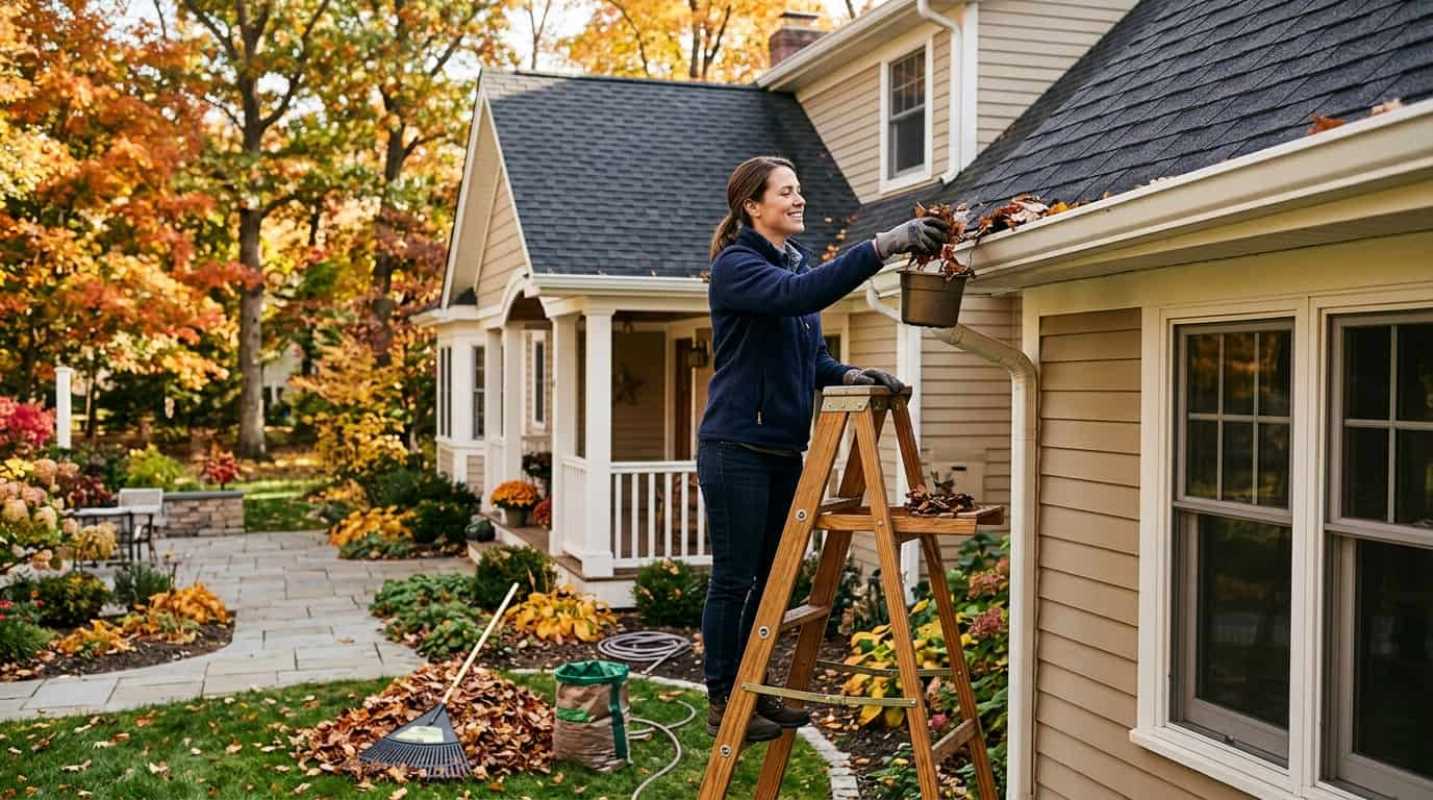
• Clean the gutters: Clear out winter leaves and twigs. Professional gutter cleaning averages $278, but ignoring it can lead to clogged gutters and roof damage that averages $2,414.⁵
• Inspect the roof: Look for loose, cracked, or missing shingles. Catching a small leak now prevents massive water damage inside your attic later.
• Test the sump pump: Pour a bucket of water into the sump pit to make sure the pump turns on and drains properly before spring storms hit.
• Check the foundation: Walk around the perimeter of your home. Look for cracks, gaps, or peeling paint. Catching foundation or siding cracks early prevents water leaks and pest infestations.
• Prep the yard: Turn on your sprinkler system, check for broken spray heads, and make sure your lawnmower is serviced and ready for the growing season.
Summer: Efficiency and Systems Optimization
Summer is all about keeping your home cool, lowering your energy bills, and maintaining your outdoor living spaces. Since your cooling systems will be working overtime, optimization matters.
Take a weekend to tackle these summer tasks:
• Service your air conditioner: Schedule a professional HVAC tune-up. A professional service averages $914, but it extends your system's lifespan by up to five years.
• Replace HVAC filters: Check your filters monthly and replace them at least every 90 days. A dirty filter reduces system efficiency by 5% to 15% and is the top cause of system failures.
• Check window and door seals: Inspect your weatherstripping for drafts. Replacing worn seals keeps your cool air inside and can reduce your summer cooling bills by 10% to 15%.
• Test safety alarms: Press the test buttons on your smoke and carbon monoxide detectors. Carbon monoxide detectors last about seven years, while smoke detectors need a complete replacement every ten years.
• Deep clean appliances: Vacuum the dust off your refrigerator coils and clean out your dryer vent line. Dusty coils force your fridge to work twice as hard, which spikes your electric bill.
• Trim trees and bushes: Cut back any branches within 10 feet of your roofline. Overhanging branches give pests easy access to your roof and can cause severe damage during high winds.
Autumn: Preparing for the Chill
Fall is the most important quarter for preventative maintenance. This is your final window to seal your home and protect your plumbing before freezing temperatures arrive.
Don't skip these needed autumn tasks:
• Winterize outdoor spigots: Disconnect your garden hoses, drain the lines, and cover your outdoor faucets with insulated domes. A burst pipe in the winter can easily cost $2,500 to $4,000 to repair.
• Service the heating system: Have a professional inspect your furnace or boiler before you turn it on for the season. A professional heating tune-up averages $775.
• Clean the chimney: If you have a wood-burning fireplace, hire a certified chimney sweep. An annual cleaning averages $681 and matters to preventing creosote fires.
• Flush the water heater: Drain your water heater tank to remove sediment buildup. This simple chore keeps your water heater running efficiently and prevents premature tank failure.
• Seal gaps and cracks: Use exterior-grade caulk to seal gaps around windows, doors, and siding. A simple $10 tube of caulk can prevent $3,000 to $5,000 in water damage and wood rot over the winter.
Winter: Indoor Maintenance and Safety Checks
When the snow starts falling, your maintenance tasks move indoors. Winter is the time to focus on safety, efficiency, and planning for the year ahead.
Keep your home safe and warm with these winter tasks:
• Monitor indoor humidity: Keep your indoor humidity levels between 30% and 50% to prevent mold growth on your walls and windows.
• Clear dryer vents: Clean your dryer vent line to prevent lint buildup, which is a leading cause of house fires.
• Insulate exposed pipes: Wrap pipes in unheated areas like basements, attics, or crawlspaces to prevent freezing.
• Test GFCI outlets: Press the test and reset buttons on your kitchen, bathroom, and outdoor outlets to make sure they are working correctly.
• Inspect under sinks: Look under your kitchen and bathroom cabinets for slow plumbing leaks. Catching a leak early prevents mold and cabinet rot.
Smart Tools and Recommendations for Easy Upkeep
Managing a home doesn't have to be stressful. One of the smartest moves you can make is installing smart water-leak detectors under your sinks and near your water heater. Since a tiny leak can waste tons of water and cause thousands of dollars in damage, these sensors give you instant peace of mind.
You should also set up a physical or digital home maintenance binder. Keep track of all your receipts, service dates, and warranties. When you eventually decide to sell your home, showing buyers a detailed history of your proactive care can increase your home's appraisal value and make the sale much smoother.
Sources:
1. Reviews.com Home Maintenance Costs Study
https://www.reviews.com/insurance/homeowners/average-home-maintenance-costs/
2. Forbes Article on Rising Homeownership Costs
https://www.forbes.com/sites/jamiegold/2026/06/09/rising-costs-dent-but-dont-destroy-american-dream-of-homeownership/
3. HousingWire Report on Deferred Maintenance Risks
https://www.housingwire.com/articles/homeowners-delay-repairs-safety-financial-risks/
4. Pearlscore Annual Home Maintenance Cost Report
https://pearlscore.com/news/home-maintenance-cost-annual-report-2026
5. Opendoor Seasonal Home Maintenance Checklist
https://www.opendoor.com/articles/home-maintenance-checklist