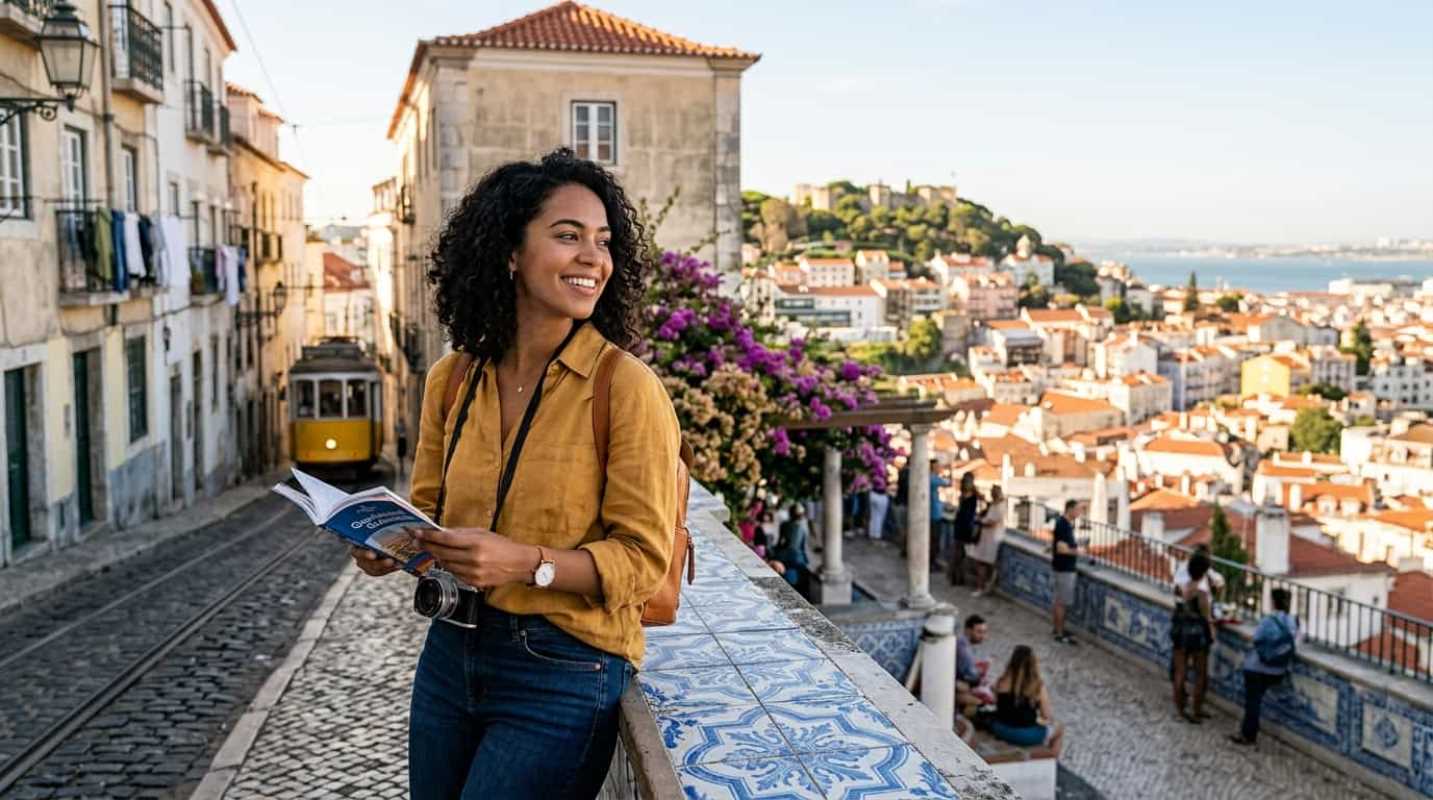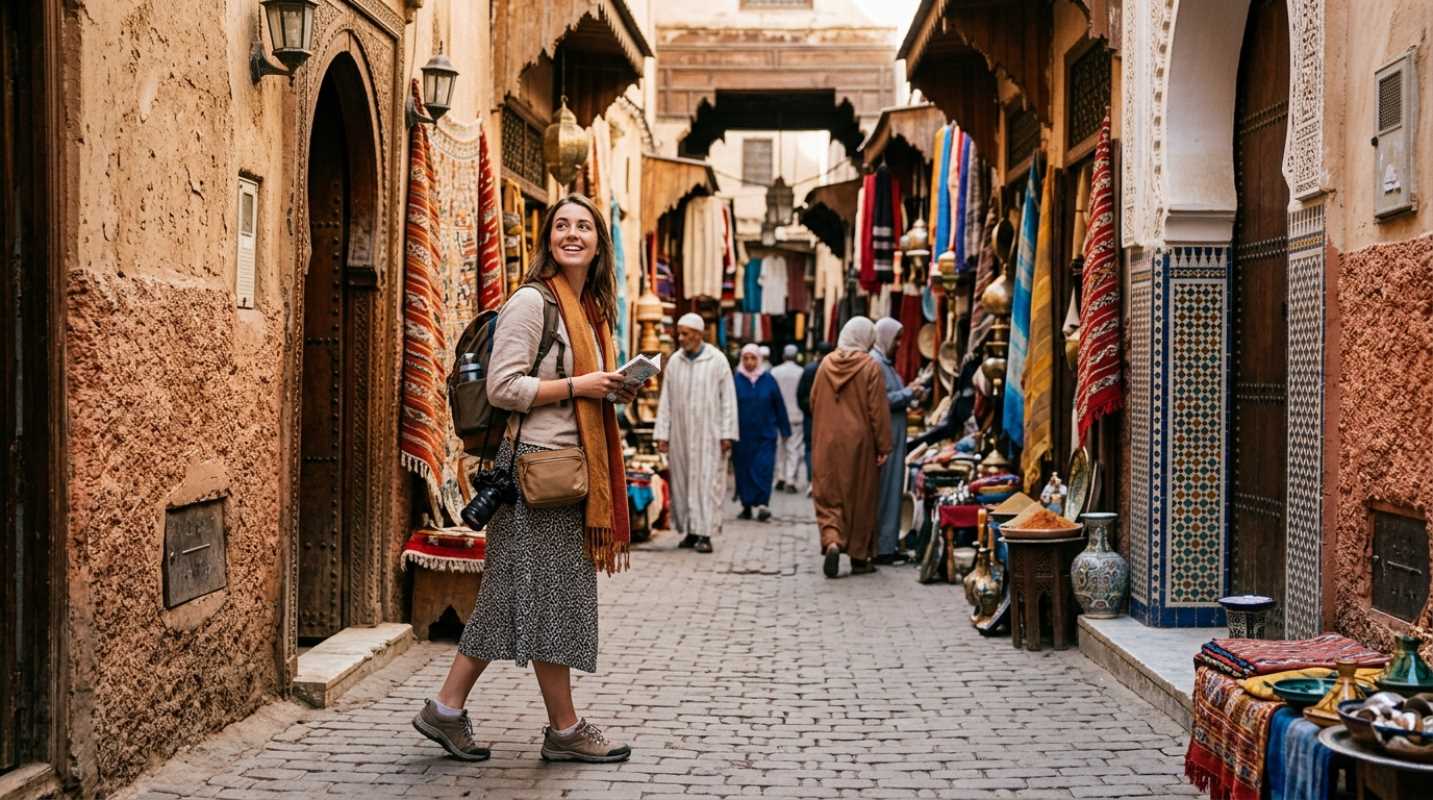
Have you ever stood in a three-hour line outside a famous European cathedral, shoulder-to-shoulder with hundreds of selfie-stick-wielding tourists, and wondered why you paid thousands of dollars for this? You aren't alone. In 2026, the romanticized dream of European capital hopping is losing its luster. Venice is taxing day-trippers, Barcelona is protesting short-term rentals, and Amsterdam is actively telling rowdy visitors to stay away.
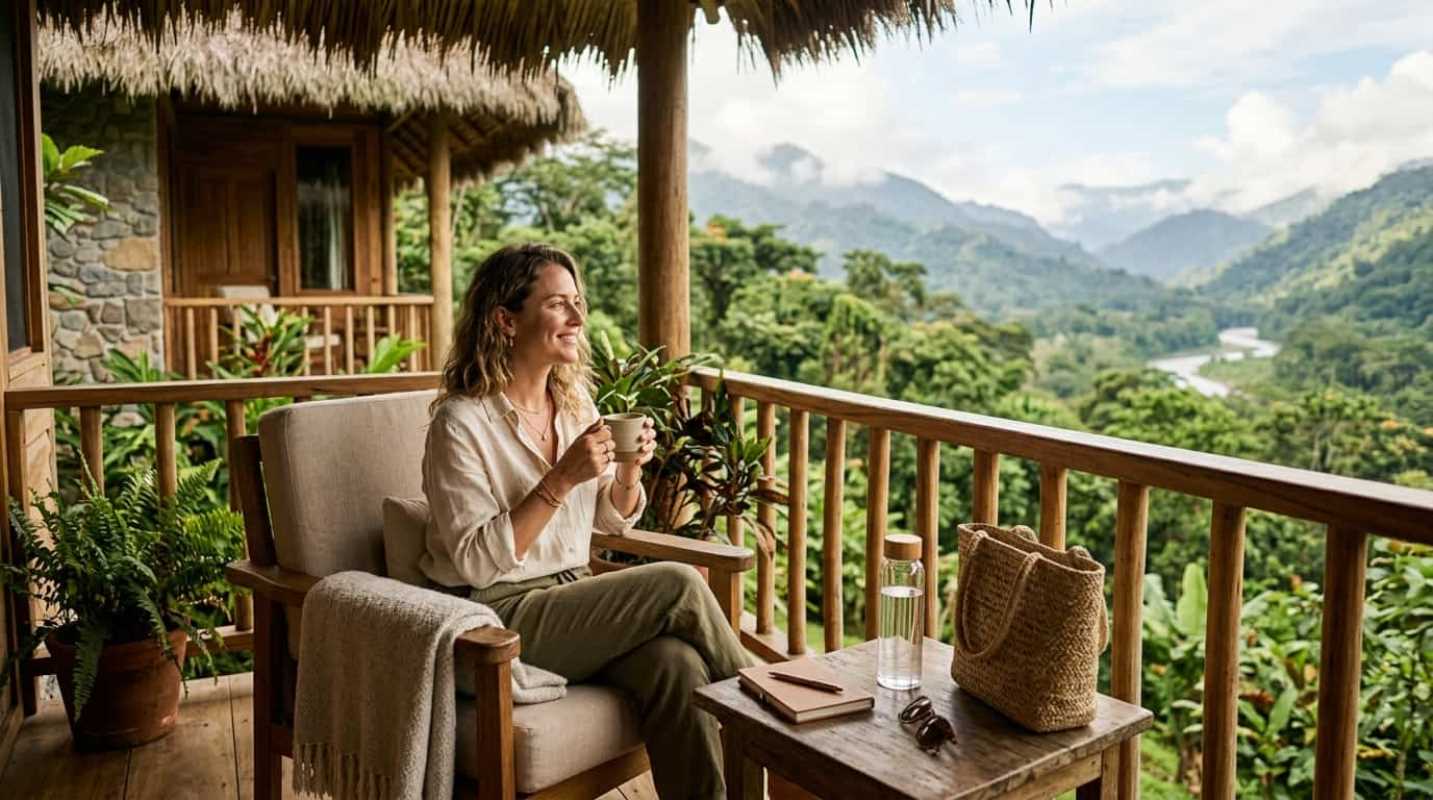
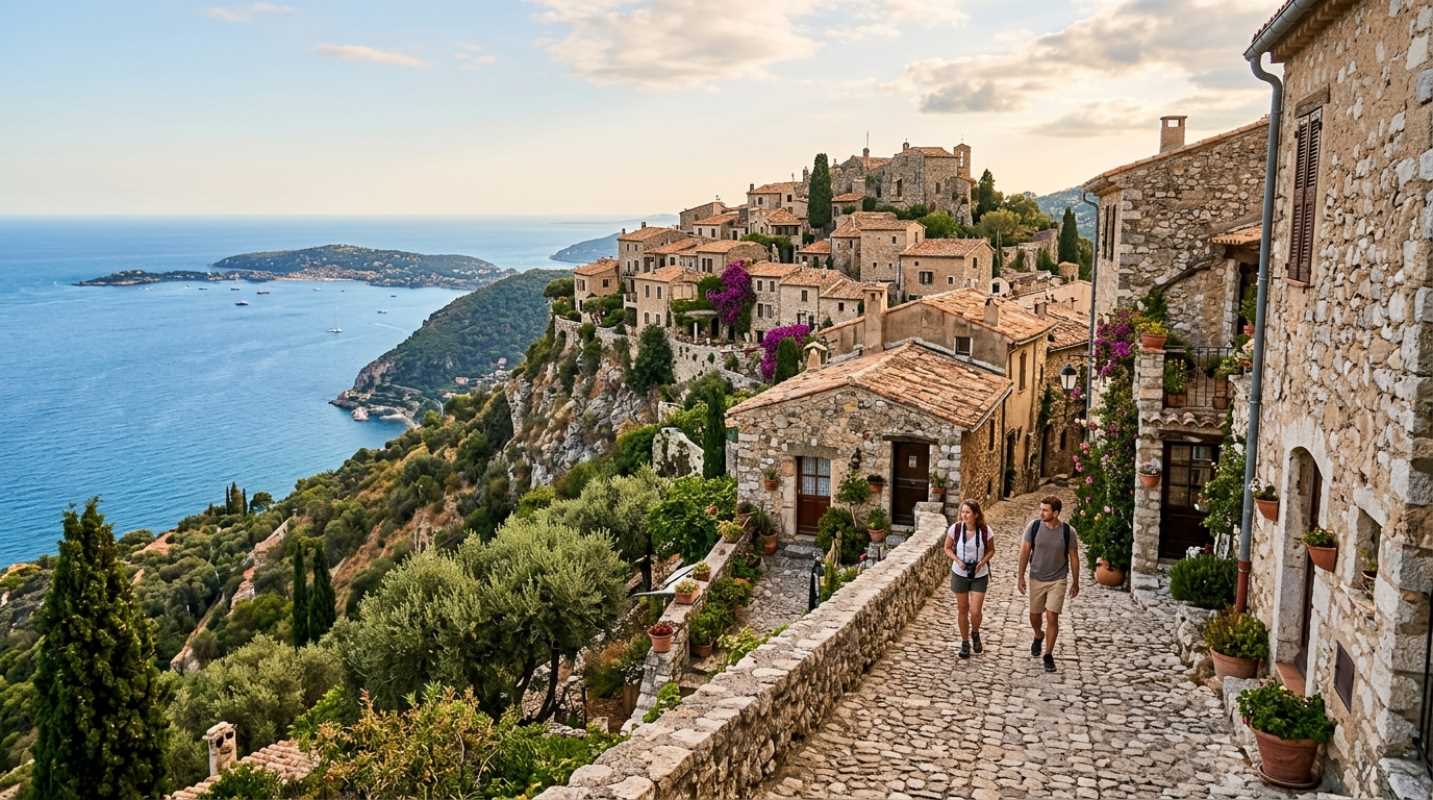
So what does this actually mean for your next vacation? It means the real magic of Europe has migrated. It has moved to the quiet corners, the places where the train tracks end and the cobblestones begin. This year, travelers are trading checklist tourism for something far more satisfying. We are talking about slow, deliberate travel. It is the difference between scrolling through a city's greatest hits and actually living its daily rhythm.
Choosing the road less traveled is not just a trend. It is a quiet revolution. When you slow down and skip the capitals, you get to experience Europe the way it was always meant to be enjoyed, unhurried, genuine, and deeply personal.
The Charm of Off-the-Beaten-Path Europe
Let's talk logistics. Traveling through rural Europe is remarkably kind to your wallet. Although a mediocre dinner in Paris or Rome can easily set you back a hundred Euros, a feast of local cheeses, fresh bread, and house wine in a mountain village often costs a fraction of that. Your money goes further, and more importantly, it goes directly into the pockets of the families who live there.
This is what travel experts call the "destination dupe" trend. In fact, a recent Expedia Travel Trend Report revealed that 63% of travelers plan to visit these lesser-known, low-crowd alternatives.¹ Christina Bennett, a consumer travel expert for Priceline, explains that people are seeking out smaller towns and authentic experiences to immerse themselves in new cultures and build real connections.¹
But how do you find these spots without falling into the trap of social media algorithms?
• Look for local designations: Search for national heritage lists, like the "Most Beautiful Villages" associations in Spain, France, or Italy.
• Follow the geography: Open a map and look at the spaces between major cities to find the valleys, the foothills, and the islands that require an extra bus or ferry to reach.
• Check sustainability awards: Organizations like UN Tourism highlight places that actively preserve their culture rather than selling it out.²
By choosing these destinations, you help combat the crushing weight of overtourism. You are supporting the preservation of ancient traditions and helping young locals stay in their hometowns instead of migrating to crowded cities.
Three Hidden Gems That Defy Expectations
Let's look at three stunning destinations that deserve a spot on your travel bucket list. These are not just pretty backdrops. They are living communities that have managed to hold onto their souls.
Splügen, Switzerland
If you want to experience the Swiss Alps without the luxury resort prices of Zermatt, head to the canton of Graubünden. Splügen is a quiet alpine pass village with a population of under 400 residents, sitting high up at 1,475 meters.² For centuries, this town was a bustling hub for pack-mule traffic crossing the Alps between Switzerland and Italy.²
What makes Splügen so visually striking is its architecture. You will walk past traditional wooden Walser houses right next to grand, Italian-style stone residences.²
• The Via Spluga: You can hike this historic trail to experience the dramatic Roffla Gorge.²
• The Pschuuri Carnival: If you visit on Ash Wednesday, you will witness an ancient, wild carnival tradition that is officially recognized as part of Switzerland's intangible cultural heritage.²
Ormana, Türkiye
Tucked away in the rugged Taurus Mountains, Ormana is a tiny village of just 600 residents that feels completely removed from the beach resorts of Antalya.² It was recently recognized on the UN Tourism list of Best Tourism Villages, and it is easy to see why.²
Ormana is famous for its 300 historic "button houses".² These unique, centuries-old structures are built using only local stone and cedar wood, completely without mortar or cement.²
• The Ottoman Connection: The village has deep ties to the ancient Silk Road and still protects a lineage of wild horses linked to Ottoman military history.²
• The Grape Festival: If you plan a trip in autumn, you can join the traditional grape festival, which locals have celebrated annually for 57 years.³
Albarracín, Spain
Located in the isolated Teruel Province, Albarracín is a fairytale village carved directly into a rocky canyon.⁴ It has a population of around 1,000 people and is surrounded by the striking Pinares de Rodeno Natural Park.⁴
The village is famous for its pinkish-red plaster houses, hanging wooden balconies, and massive medieval walls that climb up the surrounding cliffs.⁴
• World-Class Bouldering: Although the history is fascinating, Albarracín has quietly become a top destination for bouldering.⁴ Climbers from all over the world come to tackle the unique red sandstone boulders in the surrounding pine forests.
• Local Flavors: After a day of exploring, you can sit in a tiny tavern and feast on local jamón serrano and eggs cooked with wild truffles.⁴
Mastering the Art of Slow Travel
Visiting these remote pockets of Europe requires a shift in mindset. You cannot approach a village of 500 people with a rigid, 15-point daily itinerary. If you do, you will miss the entire point of being there.
To make the most of your rural adventure, keep these simple approaches in mind
• Slow down your pace: Spend at least three nights in one place to become a familiar face at the local bakery and see the village after the day-trippers leave.
• Embrace the language barrier: You do not need to be fluent, but learning five basic phrases in the local language goes a long way. Use translation apps for complex needs, but rely on smiles and hand gestures first.
• Accept the local schedule: Many rural shops and restaurants close in the afternoon for a rest, so use this time to sit on a bench and enjoy the quiet.
Your Next Great Adventure Starts Off-Route
There is a unique kind of magic in getting lost. When you step off the well-worn tourist trail, you trade predictable, curated experiences for real adventure. You might end up sharing a glass of wine with a winemaker in Sardinia, or watching wild horses run through the mountains of Türkiye. These are the moments that stay with you long after you return home.
As you plan your travels for 2026, challenge yourself to look past the usual capitals. Pack light, leave room in your schedule for the unexpected, and rent a car or a bike to explore the quiet roads.
The real Europe is waiting for you. It is not in the crowded museum lines or the overpriced souvenir shops. It is in the quiet stone alleys, the mountain air, and the warm smiles of locals who are genuinely glad you made the detour.
Sources:
1. GV Wire - European Detour Destinations Are 2025's New Travel Trend
https://gvwire.com/2025/02/16/european-detour-destinations-are-2025s-new-travel-trend/
2. UN Tourism - Best Tourism Villages 2024 Booklet
http://pre-webunwto.s3.eu-west-1.amazonaws.com/s3fs-public/2024-11/btv-2024-booklet.pdf?VersionId=wON_FvviyX9ZgGReAH43mrYmX7izDl0R
3. Hürriyet Daily News - Ormana named among Best Tourism Villages 2024
https://www.hurriyetdailynews.com/ormana-named-among-best-tourism-villages-2024-202716
4. Forbes - The 10 Best Hidden Places in Europe for 2025
https://www.forbes.com/sites/ceciliarodriguez/2025/05/21/the-10-best-hidden-places-in-europe-for-2025-ranked-in-new-ebd-report/
.jpg)