Let's bust a common myth right away. Traveling sustainably does not mean you have to sleep on a thin mat, shower with cold bucket water, or carry a heavy backpack through the mud. You do not have to rough it to be a responsible traveler.
In 2026, the definition of high-end travel is going through a massive shift. True luxury is no longer about mindless excess or imported marble. Instead, it is about space, quiet, and connecting deeply with a destination.
Have you noticed how some of the most exclusive resorts in the world are the ones that leave the lightest footprint? This is what we call regenerative travel, which means actively leaving a place better than you found it.³ It is a step beyond just doing no harm.
Some industry leaders call this bare luxury.⁵ It means stripping away the unnecessary noise, like plastic packaging and digital distractions, so you can focus on nature, great food, and real relaxation. You get to enjoy top-tier pampering while knowing your stay supports the local community and environment.
Smart Lodging and Eco-Friendly Accommodations That Pamper
Finding a hotel that pampers you while protecting the planet is easier than ever, but you have to know what to look for. Greenwashing is everywhere, and a simple sign asking you to reuse your towels is no longer enough.
So how do you spot the real deal? Look for properties with serious eco-credentials, such as those certified by Regenera Luxury or aligned with the Global Sustainable Tourism Council.⁴ These places build sustainability into their entire operations from the ground up.
Consider Soneva Fushi in the Maldives. They do not just talk about being green. They run a massive solar power system with battery storage that supplies 40% of the resort's electricity.⁵ They also recycle, compost, and upcycle glass on-site, proving that luxury does not require waste.
If you prefer a more intimate setting, look for high-end boutique properties. Sterrekopje in South Africa is a highly exclusive 12-key wellness farm retreat. They operate under a farm-to-table model, using a 50-hectare farm with dozens of local plant varieties to supply their entire kitchen and spa.
When booking, do not hesitate to ask where your money goes. Many top resorts are highly transparent about this. Soneva, like, adds a 2% environmental levy to guest stays, which has raised $11 million for global carbon-mitigation and tree-planting projects.⁵
Transportation Hacks for Traveling in Style with a Lower Carbon Footprint
Getting to your destination is often the biggest contributor to your carbon footprint. Fortunately, you can make smarter travel choices without losing your peace of mind or comfort.
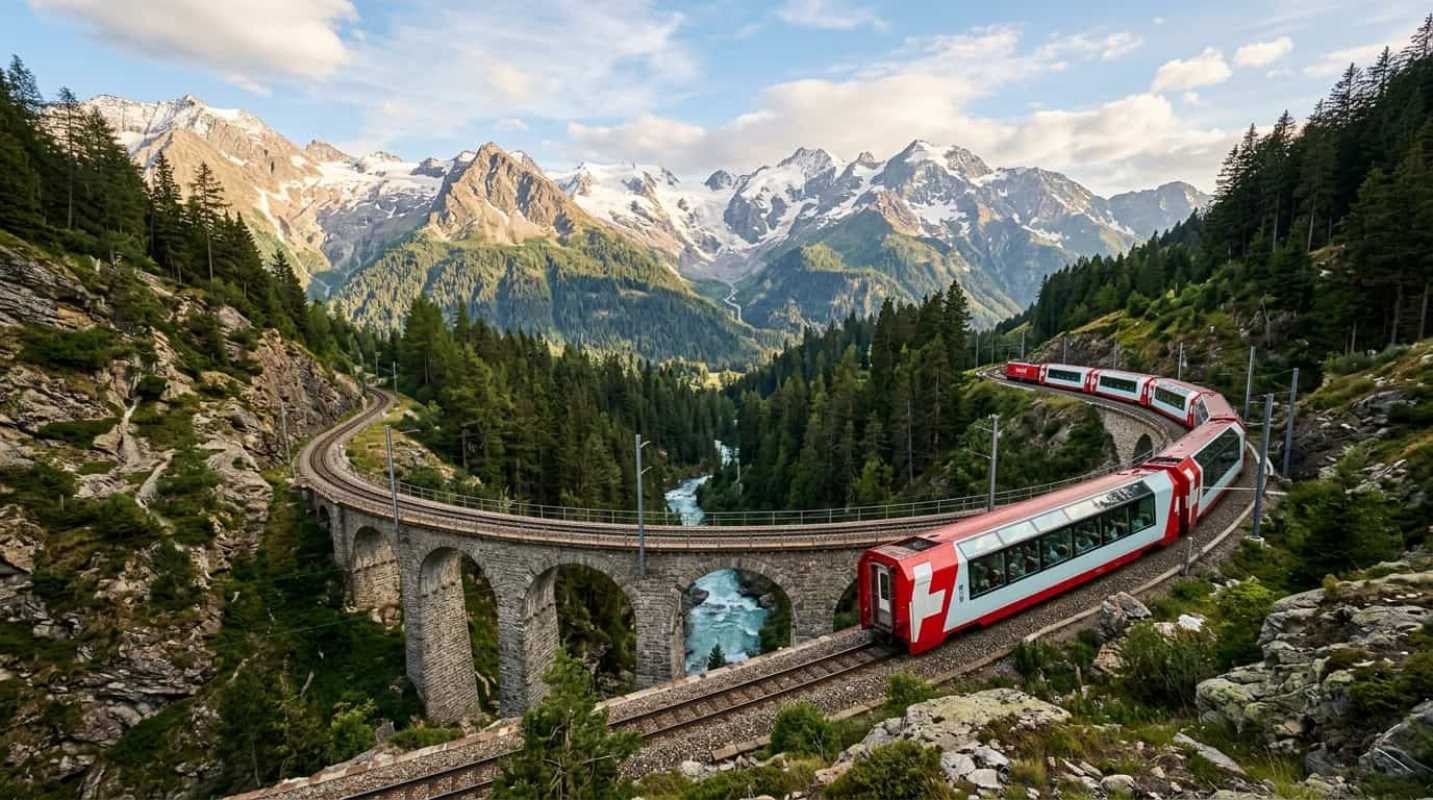
One of the best trends in modern travel is the return of luxury rail. High-end trains offer a level of romance and relaxation that flying simply cannot match. You get spacious private cabins, fine dining, and beautiful views, all while avoiding the stress of airport security.
If flying is your only option, you can still optimize your journey. Here is how:
• Fly direct: Takeoff and landing use the most fuel, so direct flights are much cleaner than multi-stop routes.
• Choose modern fleets: Book with airlines that fly newer, more fuel-efficient aircraft.
• Support green fuels: Some carriers allow you to buy sustainable aviation fuel credits when you book your ticket.
Once you land, skip the standard rental car counter. Many luxury destinations now offer private transfers in electric vehicles. You can also rent high-end electric cars, letting you explore local roads quietly and with zero emissions.
Curating Your Itinerary with Experiences That Give Back
A great vacation is built on unforgettable experiences, but how do you plan them responsibly? The secret is to focus on high-quality, low-impact activities that put money directly into local hands.
Overtourism is a major issue, and many travelers are actively trying to avoid crowded spots.² One smart way to do this is by traveling during the shoulder season. In 2026, many travel advisors report that their clients are choosing off-peak travel times.¹⁰ You get a far better experience with fewer crowds and more attentive service.
Another trend is the rise of the cool-cation, where travelers swap sizzling hot spots for cooler climates like Norway, Sweden, or Canada.¹⁰ It is a comfortable way to beat the heat while discovering incredible natural spaces.
When you plan your days, look for activities that support conservation. Six Senses Laamu in the Maldives has a marine conservation center that has introduced thousands of baby corals to restore the local reef. It is an amazing way to see wildlife up close while supporting real scientific research.
Aware Consumption through Packing and Dining Sustainably
The choices you make during your daily vacation routine have a huge impact. This starts with what you pack and what you eat.
For gear, choose durable, high-quality products that last for years. Some luxury brands are even helping guests keep their gear in use longer. Six Senses Residences Courchevel in France partners with local organizations to repair, reuse, and upcycle outdoor sports gear, keeping textile waste out of landfills.
Dining is another area where you can easily combine luxury and sustainability. Look for farm-to-table restaurants that prioritize local ingredients. This reduces the distance food has to travel and makes sure you get the freshest, most flavorful meals possible.
Many high-end resorts are also working hard to cut down on waste. Six Senses recently joined a global initiative to halve food waste by 2030 through smart, plant-forward menus.
Finally, you can easily cut down on single-use plastics without losing any convenience. The Datai Langkawi in Malaysia runs its own water bottling plant to completely eliminate plastic bottles. You still get chilled, pure water in your room, but without the plastic waste.
The Future of High-End Responsible Tourism
Every small, intentional choice you make adds up to a massive positive impact. By choosing the right hotels, traveling off-peak, and supporting local businesses, you help protect the places you love to visit.
Sustainability is no longer a sacrifice. It is a premium aspect of travel that makes your vacation feel more exclusive, authentic, and rewarding.
As Jennifer Evans, President of Aura Travel, explains, high-end travelers want more than just comfort today. They want meaningful, responsible experiences that protect the environment.
Duncan Greenfield-Turk, Chief Travel Designer at Global Travel Moments, sums it up perfectly. He notes that true sustainability means that if a hotel or operator were to leave a destination tomorrow, the local community and environment would be better off because they were there. That is the new standard for luxury travel in 2026, and it is a journey worth taking.
Sources:
1. Mind Body Globe Lifestyle Trends
https://www.mindbodyglobe.com/the-hidden-travel-trends-shaping-vacations-this-year/
2. Virtuoso Sustainable Travel Report
https://static.virtuoso.com/division-marketing/PR/2025%20Press%20Releases/2025%20Virtuoso%20Sustainability%20Release_FINAL.pdf
3. Forbes Regenerative Travel Guide
https://www.forbes.com/sites/emesemaczko/2025/12/02/what-is-regenerative-travel-and-who-is-leading-the-way-in-2026/
4. Regenera Luxury Tourism Insights
https://regenera.luxury/regenerative-tourism-in-2026-from-a-trend-to-a-global-measurable-leadership/
5. Soneva Bare Luxury Press Release
https://soneva.com/zh/press-release/sonevas-new-chapter-introducing-bare-luxury/

.jpg)